Understanding & Treating Vein Disorders
1 in 10 Americans suffer from chronic venous insufficiency, or CVI. You may be one of them and not even be aware. At Anderson Heart & Vascular: Vein & Wellness Center, we’re here to answer your questions and concerns about vein disorders, ongoing symptoms, and long-term treatments that help improve your health and quality of life. Read on to learn more about some of the most common vein disorders and the treatments we offer to help alleviate them.
What is chronic venous insufficiency?
Chronic venous insufficiency (CVI) is a venous disease that develops when veins in your legs are damaged. Valves in your leg veins stop working properly, limiting their blood flow and making it more difficult for blood to return to your heart. CVI causes blood to pool in your leg veins, which leads to high pressure in those veins and can lead to symptoms like swelling, ulcers, and even blood clots.
While CVI most commonly affects adults over 50, certain factors can lead to increased risk:
Blood clots in the legs (also known as deep vein thrombosis)
Current or previous pregnancies, especially high-risk pregnancies
Family history of venous disorders
Lack of exercise
Leg injury or trauma
Obesity or excess weight
Prolonged sitting or standing
Smoking
What is venous reflux?
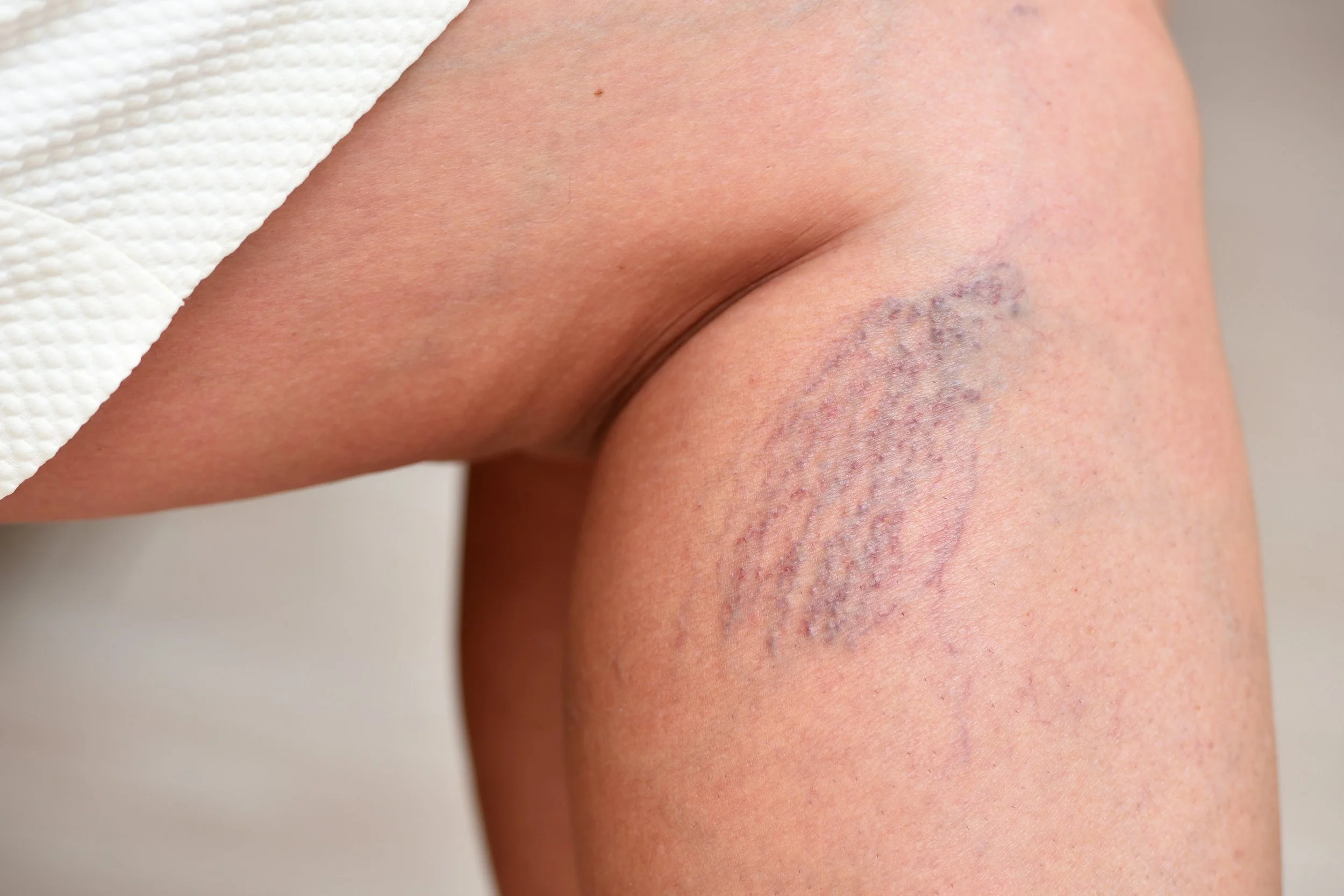
Venous reflux is one of the first signs you may have vein issues, and left untreated, it can develop into CVI or varicose veins. Venous reflux develops when your valves stop working properly, ultimately allowing blood to flow backward rather than one way toward your heart. Vein disorders like these can develop in any of your leg veins and progress quickly from the first stages of reflux to spider veins, varicose veins, chronic venous insufficiency, and even trophic ulcers or varicose eczema. Regardless of what stage you are in, circulation problems like these should be immediately addressed by a vascular professional.
What are common symptoms of CVI or venous reflux?
Symptoms of venous disorders may vary between individuals, depending on lifestyle and which leg vein(s) are affected, but some of the most common symptoms of CVI and venous reflux include the following:
Aching, pain, or cramping
Heaviness or tiredness
Itching
Open sores or ulcers
Restlessness
Skin changes and/or discoloration
Swelling in the legs or ankles
Appearance of spider or varicose veins
If you notice any of these symptoms, schedule an appointment with Anderson Heart & Vascular: Vein & Wellness Center as soon as possible. While there is no permanent cure for CVI, proper treatment can help prevent progressive symptoms, improve your quality of life, and reduce the risk of long-term complications and pain. In the meantime, if you’re planning to travel for the upcoming holidays and don’t have time to schedule an appointment first, we suggest reading these tips for navigating travel with vein disorders.
What vein disorder treatments are available at Anderson Heart & Vascular?
Anderson Heart & Vascular: Vein & Wellness Center is an Accredited Vein Center with expert vascular surgeons, ready to help diagnose and treat venous disorders. We offer the following vein treatments:
Saphenous Vein Ablation: Radiofrequency saphenous vein ablation uses radiofrequency energy to close diseased veins, redirecting the blood flow to healthy veins. This minimally invasive treatment offers less pain, bruising, and recovery time than laser treatments and allows for an almost immediate return to your daily activities and range of motion.
Sclerotherapy: Sclerotherapy is the process of injecting a solution into smaller varicose veins that constricts and collapses the problematic veins. We also offer ultrasound-guided sclerotherapy using a microfoam, which also closes the diseased veins without surgery. Sclerotherapy treatments are usually under an hour, and patients may only need a few treatments to see lasting improvements in both appearance and function.
Phlebectomies: A phlebectomy, or varicose vein excision, removes superficial varicose veins through small, slitted incisions in your skin. Precise placement of the incision reduces scarring and recovery time.
Custom Compression Stockings: Some patients may only need compression stockings to help improve circulation, or our surgeons may recommend wearing them in the weeks following vein procedures. We fit and sell compression stockings tailored just for your legs, perfect for both recovery and longer-term daily use.
How can I schedule a vein treatment in Anderson?
If you are struggling with circulation or experiencing any symptoms of vein disorders, you should schedule a consultation with our board-certified vascular surgeons immediately. Call us at (864) 261-7474 to schedule an appointment. We’ll diagnose your vein disorder and get you back on the path to looking, feeling, and living better in no time.